


Real Grammar Japan
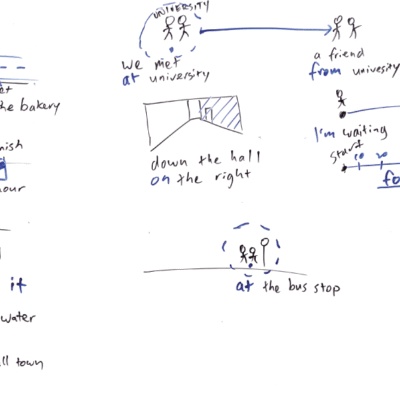
問題点は、知識の習得まではできているが、そこから実際にどのシチュエーションで、どのようにそれらを使いこなし、自分を表現するかという点にある。知識の詰め込みすぎが起きているのではないか。ただ知識ばかりを詰め込み、それを使いこなせず、抱え込みすぎている可能性がある。
The problem is that students can acquire knowledge, but they struggle with how to actually use it — in which situations, and in what way — they find it hard to express themselves.
Many Japanese learners spend a lot of time cramming in knowledge, juggling too much information about grammar in their heads. They end up overburdened, unable to use it to speak.
物語で英文法の練習
繰り返しの練習で自然に出てくる英語力を
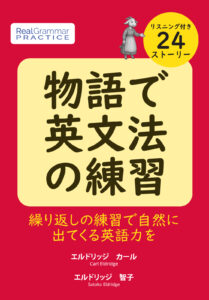
「物語で英文法の練習」は、英語でのコミュニケーション力を高めるために作りました。本書では、世代を超えて愛されてきた昔話を題材に、英語の文章の基本的な要素である単語とパターンを繰り返し練習していきます。どんな言語でも、文法を使いこなすカギは、パターンに慣れ親しみ、どの言葉がどこに入るかという感覚を身につけることです。英語について考えるのではなく、英語で考え、英語を使う。
パターンに慣れてくると、脳が次に来る言葉を予測し始めます。これにより、リスニングの際には無意識のうちに言葉を予測できるようになり、スピーキングの際には言葉がスムーズに出てくるようになります。
物語を繰り返し練習することで、基礎的な単語(the, a, you, it など)の使い方の感覚を身につけ、自然な英語が口をついて出るようになります。
Real Grammar Practice: Monogatari de Eibunpo no Renshu (English Grammar Practice through Stories) was created to help learners develop real communication skills in English.
In this book, we use traditional stories that have been loved for generations. Students practice the basic building blocks of English sentences — words and patterns — through repetition. In any language, the key to mastering grammar is becoming familiar with patterns, and developing a sense of which words fit where. Instead of thinking about English, think in English, and use it.
As you become familiar with these patterns, your brain begins to predict what comes next.
This allows you to unconsciously anticipate words while listening, and to speak more smoothly without having to stop and think.
By practicing stories repeatedly, you develop a natural feel for how basic words (the, a, you, it, etc.) are used, and natural English flows effortlessly.
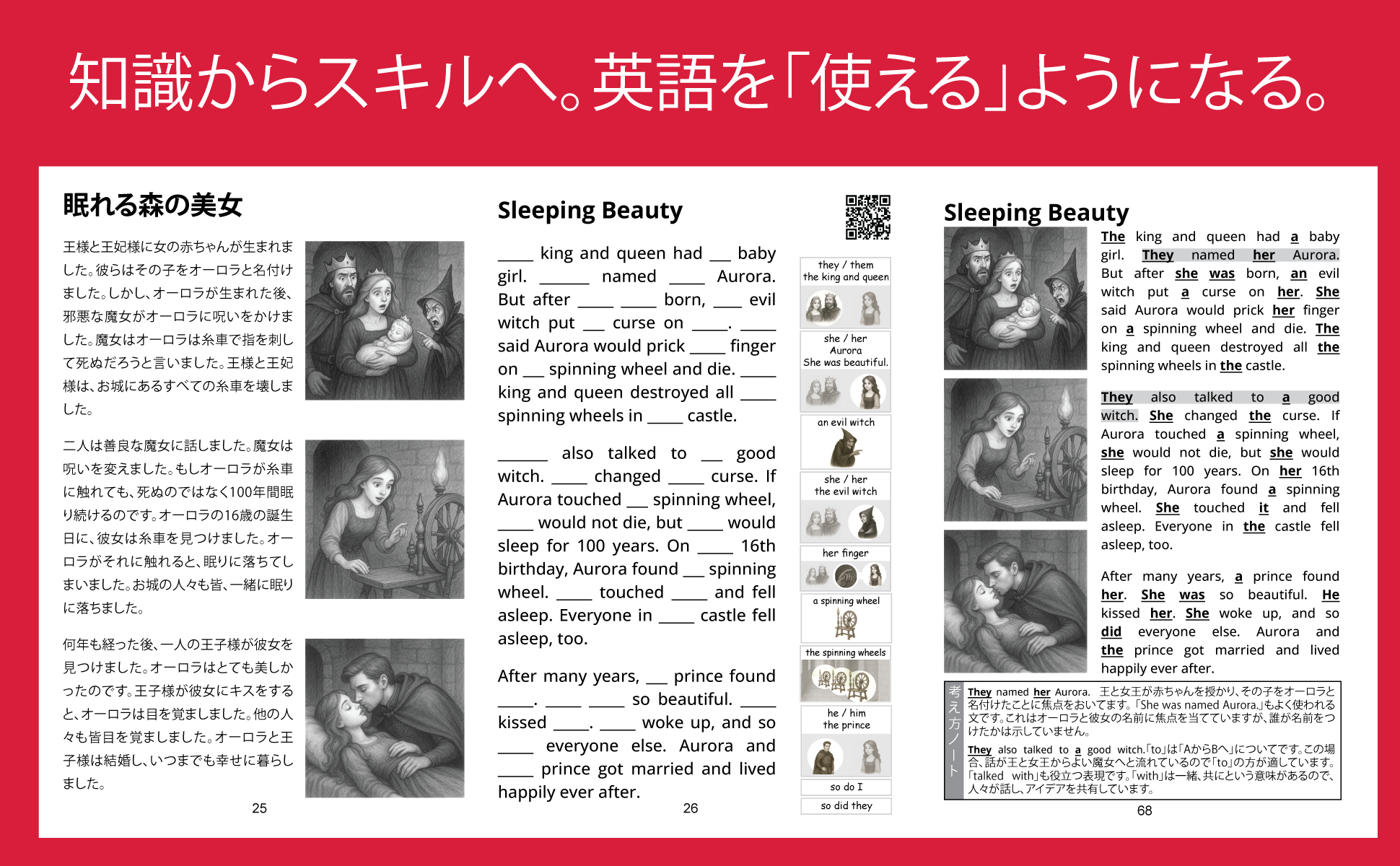
この本のおすすめの使い方
① まずは読む
まず、英語だけで読み進めてもOKですし、日本語と英語を照らし合わせながら読み始めるのもおすすめです。
「英語でこう言うから、日本語でもこう言わなければいけない」ではなく、
言葉そのものの違い、言葉で表現する感覚の違いを意識しながら読むことが大切です。
英語と日本語での表現に、「間違い・正解」ではない違いがあることに気づいてもらえたらと思います。
② 音声を聞く
次に、付属のオーディオを使って、実際に話されている英語にも触れてみてください。
イントネーションや発音を耳にすることで、リスニング力の強化にもつながります。
文字だけでなく、「音としての英語」に慣れることが重要です。
③ 解説を読む
最後に、各話の解説を読んでみてください。
今まであまり意識してこなかったニュアンスの違いに気づくことができると思います。
この解説では、単語やイディオムの意味を説明するのではなく、
日本の英語学習の現場ではあまり伝えられていない「感覚の違い」や、
「英語を話す人はこう考える」という視点を、日本語でわかりやすく解説しています。
そのため、表面的な知識ではなく、より深い理解につながるはずです。
How to Use This Book
1. Read First
You can start by reading only the English, or by comparing the English and Japanese side by side.
Rather than thinking, “Because it’s this in Japanese, in English it must be…,” try to notice the differences in how each language expresses meaning, and the different feel of the words.
We hope you discover a different way of thinking about English grammar that is not about being “right or wrong,” but seeing different ways of expressing ideas.
2. Listen to the Audio
Use the included audio (QR code) to hear real spoken English.
Listen to the intonation and pronunciation, and strengthen your listening skills.
It is important to become familiar not only with written English, but with English as sound.
3. Read the Explanations
Read the explanations of key grammar in each story.
You may begin to notice differences in nuance that you had not been aware of before.
These explanations do not focus on remembering vocabulary or idioms. Instead, they explain differences in sense and perspective and how English speakers think and express ideas, allowing you to improve both fluency and understanding.